Category: Meshing
Dealing with Convergence Issues – Element Distortion Error
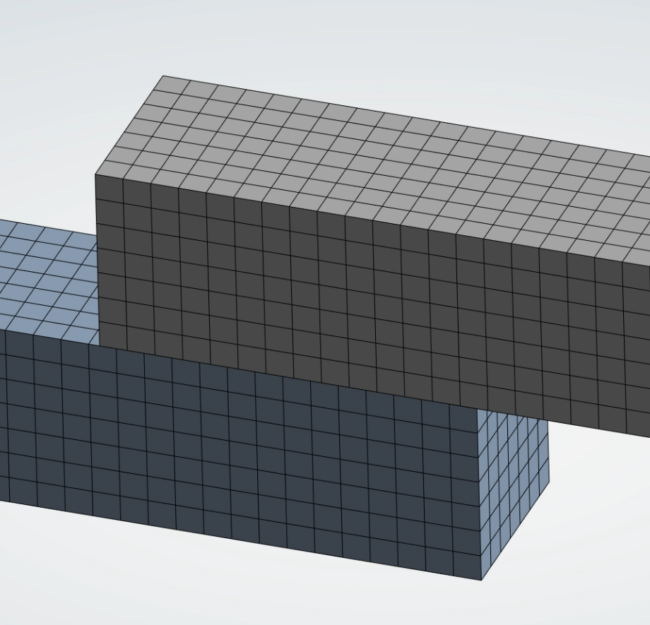
One or more elements have become highly distorted. Excessive distortion of elements is usually a symptom indicating the need for corrective action elsewhere. Try incrementing the load more slowly (increase the number of substeps or decrease the time step size). You may need to improve your mesh to obtain elements with better aspect ratios. Also…
Read More “Dealing with Convergence Issues – Element Distortion Error” »
What are integration points in FEA?
An FE solver computes displacement and force results at the element nodes . The shape function is used to interpolate the nodal results onto the interior of the element. Unlike displacements and forces, strains and stresses are not computed at the nodes. They are computed at specific locations called “integration points” within the element. Integration…
What is a Degree of Freedom?
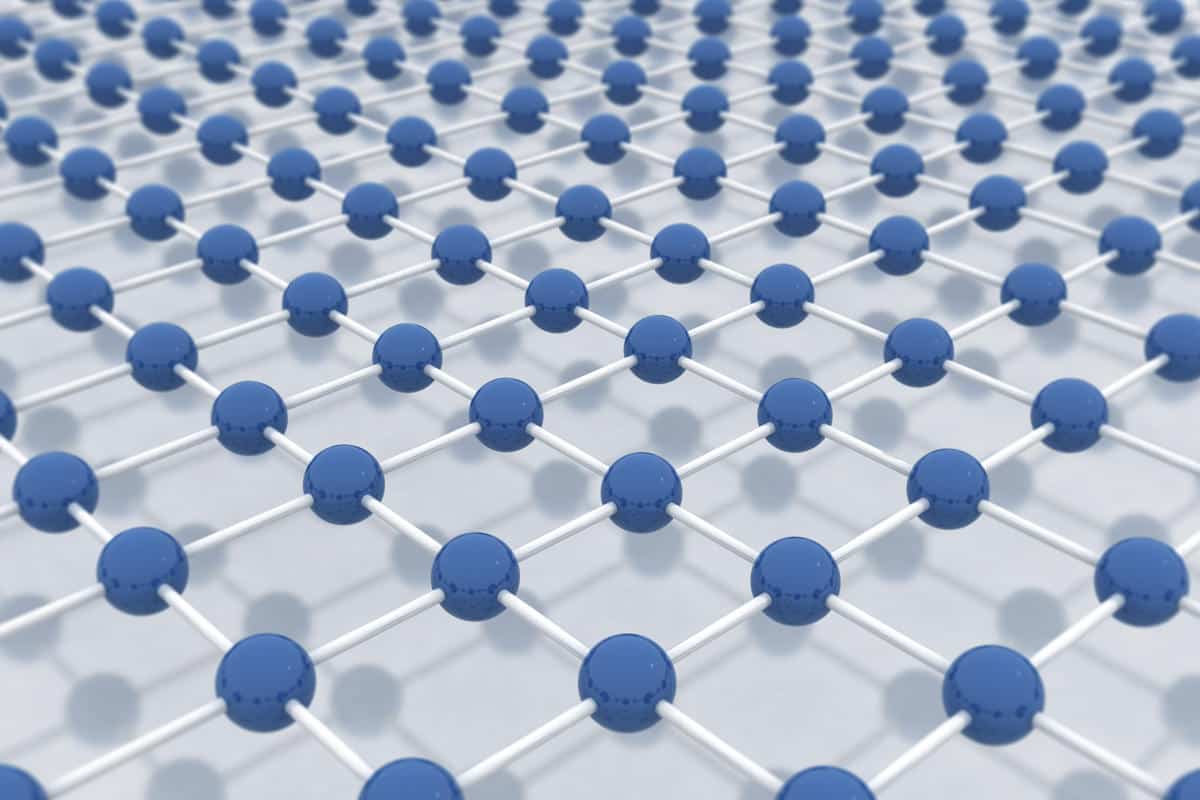
Degrees of freedom refer to the parameters of a node that may vary independently of each other. In a structural analysis, a node may have up to six degrees of freedom – Three translations and three rotations (one each in X, Y, and Z direction). 3D elements have three DOF – Translations in X, Y,…
Linear vs Quadratic FE Elements
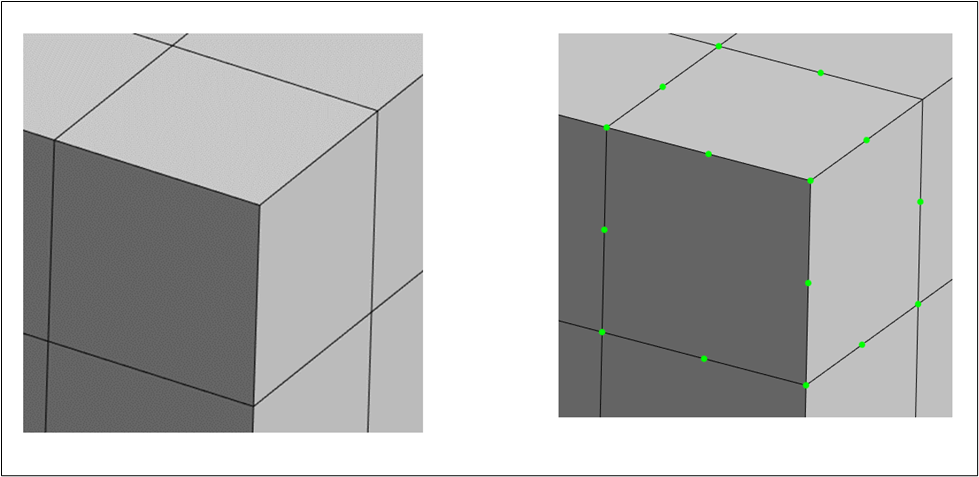
A linear element, or a lower order element is characterized by a linear shape function. The displacements of the mesh region between the nodes vary linearly with the distance between the nodes. Linear elements do not capture bending. A quadratic element, or a higher order element utilizes a non-linear shape function. The displacements between the…
What is a Shape Function?
A Finite Element mesh is the discretization of a continuous geometry into finite parts (elements). An FE solver calculates the displacements at individual nodes of the elements. We are also interested in what happens in the volume (or area for 2-D elements) of the element. But this information is not directly available from the nodal…